

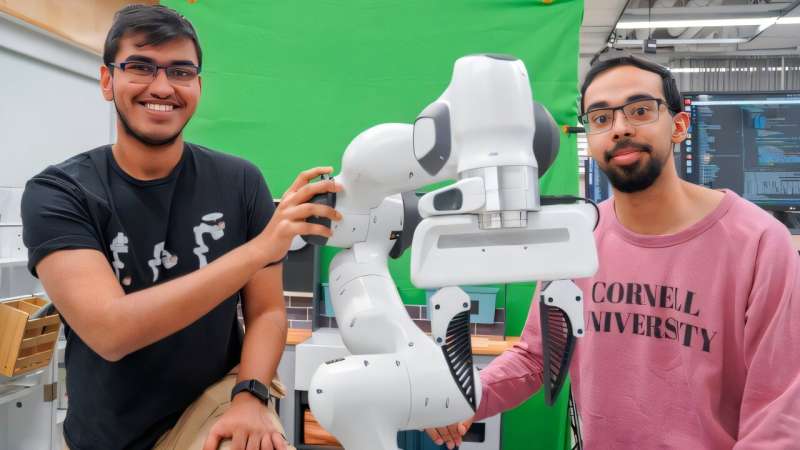
Robots Learn by Watching: Cornell’s RHyME Framework Revolutionizes Robotic Learning
Cornell’s RHyME AI enables robots to perform tasks by watching just one video, revolutionizing robotic learning and adaptability.
Each spring, millions around the world tune in to watch Sweden’s Great Moose Migration—a serene, slow-TV spectacle where moose trek across rivers and forests. With over 30 cameras and a growing global fanbase, this live-streamed event captures nature’s quiet drama and offers a peaceful escape from the modern world.
New research reveals the genetic reasons roses don’t naturally come in yellow or blue, shedding light on floral evolution and breeding.
Innovative Cu₂O crystal designs reveal new pathways for efficient and affordable fuel cell technology.
A breakthrough eco-friendly solution harnesses modified peat moss to fight marine pollution with remarkable efficiency.
A U.S. court rules Google monopolized digital advertising, marking a pivotal moment in tech antitrust history.
A groundbreaking photonic crystal design developed by researchers at POSTECH significantly amplifies light on silicon chips—opening the door to faster, more efficient optical computing and next-gen AI hardware. Discover how this innovation is reshaping the future of light-based technology.
A flexible auditory brainstem implant developed by EPFL researchers promises safer, more effective hearing restoration for those ineligible for cochlear implants
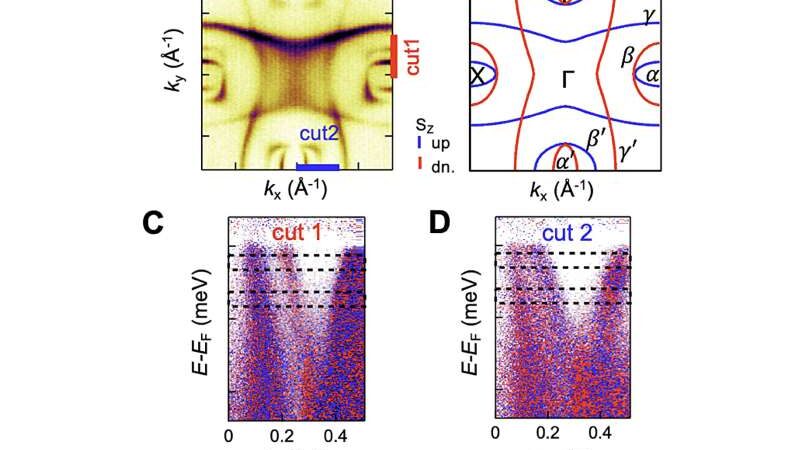
Scientists create the first layered altermagnet that works at room temperature—unlocking new possibilities for spintronics and quantum tech.
With China limiting rare earth exports, the U.S. relies on a single mine to fuel its tech and defense sectors. Can it rise to the challenge?