
Could AI Shrink Humanity to 100 Million by 2300?
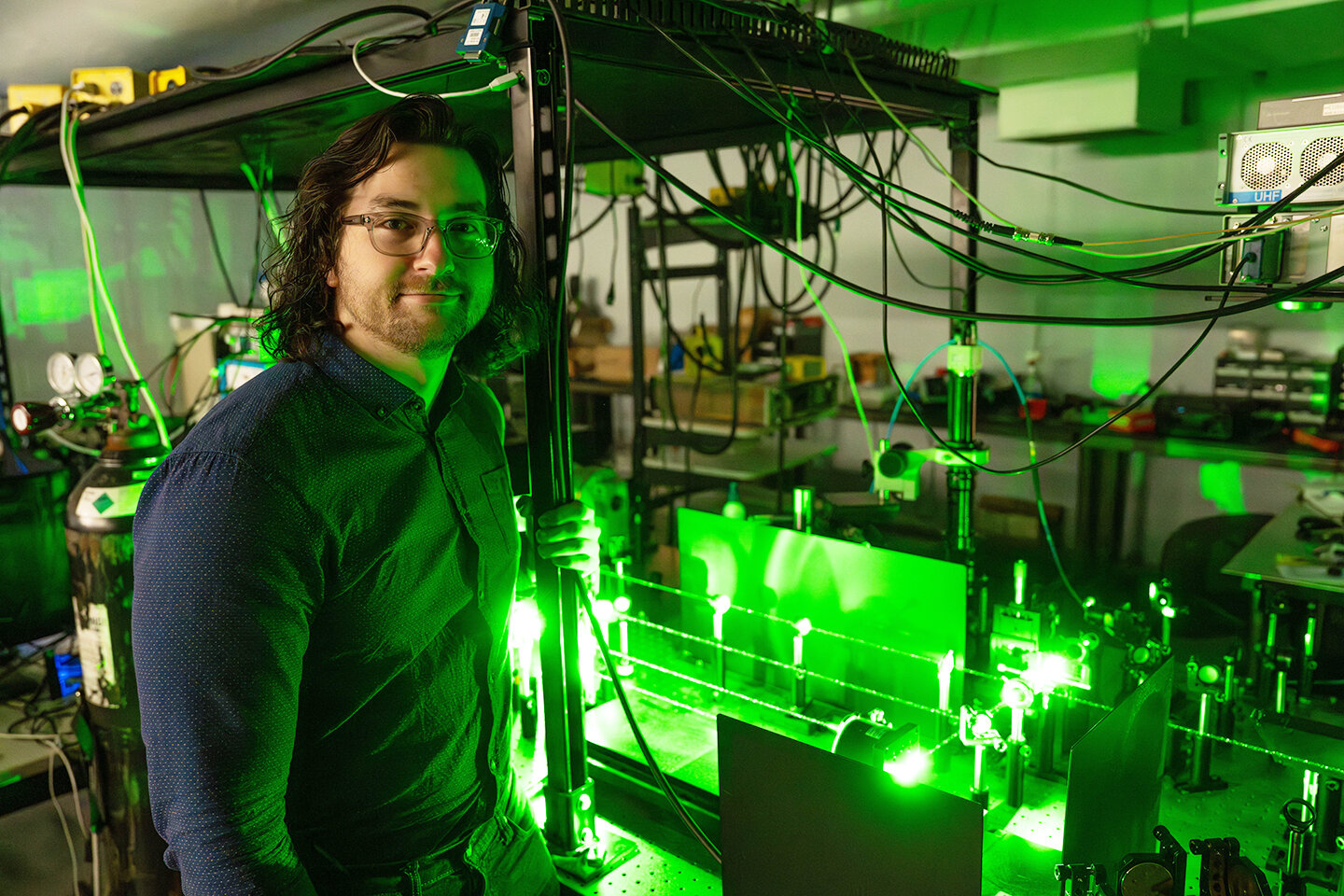
AI may reduce Earth’s population to 100 million by 2300, warns expert Subhash Kak, due to job automation and declining birth rates.
MIT’s sodium-air fuel cell triples energy density over lithium batteries and captures CO₂, paving the way for sustainable electric aviation.
Discover the key symptoms of long COVID in children and adolescents, based on recent research. Learn how to identify and address this condition effectively.
High intake of ultra-processed foods may increase early Parkinson’s risk. Discover the surprising connection between diet and brain health.
Discover how scientists unraveled the rapid formation of Earth’s elusive star-shaped sand dunes, shedding light on ancient climatic events.
Wild orangutans use recursive vocal patterns, suggesting language complexity predates humans.
Discover how dietary fiber transforms your gut health, boosting immunity and preventing disease.
Explore recent studies examining the long-term safety of ADHD medications, highlighting potential risks and the need for further research.
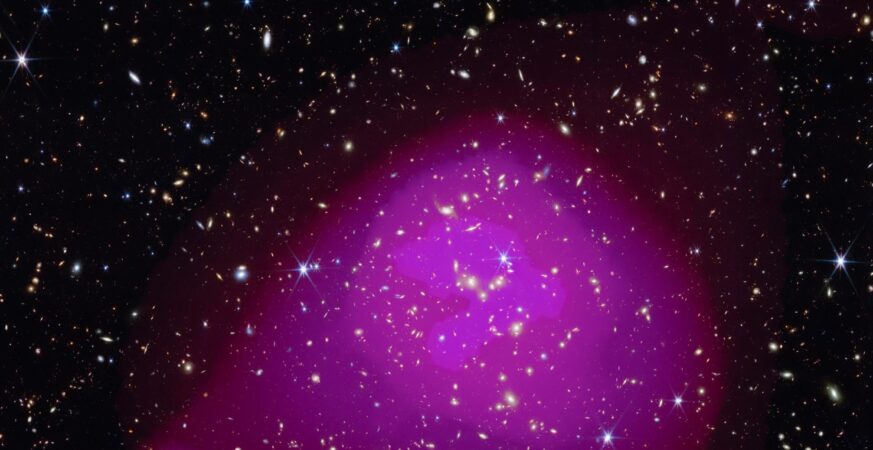
Explore how NASA’s James Webb Space Telescope is transforming our understanding of galaxy formation over 12 billion years.
Discover how hormones and genetics shape how diseases affect people of all genders.